
May. 23, 2025
In the competitive U.S. retail landscape, every operational detail can influence your bottom line—especially lighting. Many retailers rely on commercial strip lighting for its affordability and wide coverage. But could this seemingly efficient choice be silently draining profits? A growing number of store owners are discovering hidden costs tied to outdated or improperly installed lighting systems. Let’s break down what might be going wrong—and how to fix it.
One of the most common issues with older commercial strip lighting setups is excessive energy consumption. Traditional fluorescent or non-LED strip lights can consume significantly more electricity compared to modern alternatives. In high-traffic environments like retail stores, where lights stay on 10-14 hours a day, the energy bill adds up fast.
According to the U.S. Department of Energy, LED strip lights use at least 75% less energy and last 25 times longer than incandescent lighting. By switching to LED-based commercial strip lighting, store owners can dramatically cut monthly utility costs without compromising brightness or ambiance.
Burned-out bulbs, flickering tubes, and buzzing ballasts not only affect the customer experience—they cost money. Many retailers underestimate how frequent maintenance needs can translate into increased labor costs and downtime. Inconsistent lighting can also disrupt product presentation, impacting sales indirectly.
Comparatively, integrated LED strip systems require much less maintenance. With lifespans exceeding 50,000 hours and minimal failure rates, modern lighting systems drastically reduce the need for routine checks and replacements. Over a span of five years, this can mean thousands in labor and parts saved.
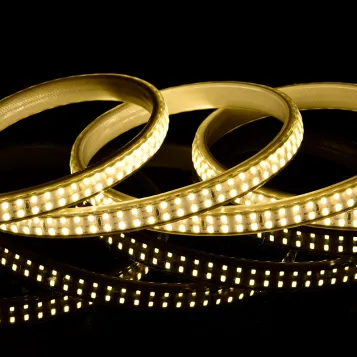
Improperly installed or poorly planned commercial led light strip can cast unflattering shadows, distort product colors, or create dark zones that customers avoid. This impacts the overall shopping experience—often without store managers realizing it. Poor lighting can even discourage customers from entering a store at all, particularly in sectors like fashion, cosmetics, or electronics, where visual appeal is crucial.
Recommended article:Modern lighting design focuses on uniform illumination, color accuracy (CRI ratings), and strategic placement. Retailers using advanced LED strip lighting with adjustable temperature and brightness controls report improved customer engagement and longer in-store dwell times. In a 2022 retail study, stores with optimized LED lighting saw an average 8% sales increase over 12 months.
Some store owners are hesitant to upgrade their commercial strip lighting due to upfront costs. However, this perspective often overlooks the total cost of ownership. The long-term savings from reduced energy use, fewer maintenance issues, and improved customer experience typically outweigh the initial outlay within 12–18 months.
Comparing two similar-sized stores—one using traditional fluorescent strip lights and the other using LED commercial strip lighting—reveals a stark contrast. Over three years, the LED-equipped store spent 40% less on energy and lighting maintenance combined. These savings directly improved operating margins.
U.S. energy efficiency regulations are becoming increasingly stringent. Many states offer rebates or tax incentives for businesses that switch to energy-efficient lighting, including LED commercial strip lighting. Retailers who delay upgrades not only lose out on savings but also risk future compliance penalties.
For example, California’s Title 24 mandates higher energy performance in lighting systems, and failure to comply could result in fines or increased operational scrutiny. Proactively upgrading lighting not only enhances compliance but also positions your store as environmentally conscious—a growing consideration for today’s consumers.
If your retail store is still relying on outdated commercial strip lighting, it’s time to reassess. From ballooning energy bills to missed sales opportunities and looming regulatory pressures, the risks are real—but so are the solutions. A professional lighting audit, followed by a strategic LED upgrade, can protect your profits and improve the in-store experience simultaneously.
If you are interested in sending in a Guest Blogger Submission,welcome to write for us!
All Comments ( 0 )